
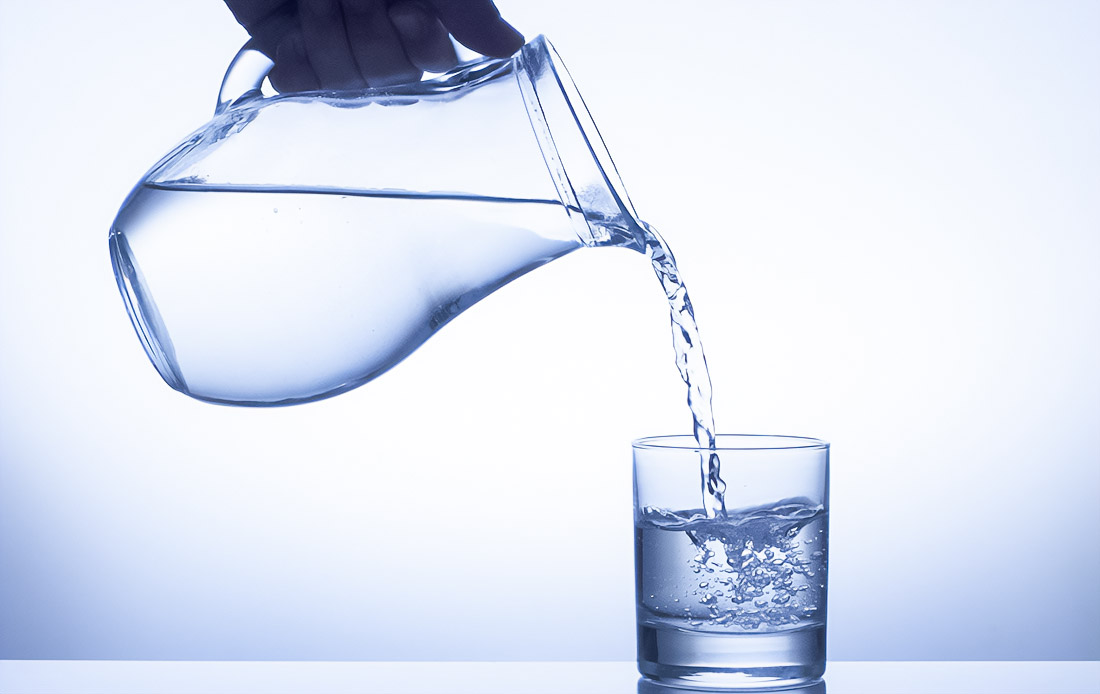
The link between drinking water quality and health is clear in Saudi Arabia. Microbial and chemical contamination continues to endanger families, with rural communities being most at risk.
The Main Threats and the Ccale of the Problem

Water from private wells often contains pathogens. Up to 30% of cases of diarrheal diseases are caused by drinking untreated water. In 18% of samples from private sources, microbiological standards were exceeded. It is a serious indicator that reflects the scale of the risks faced by households.
Why is Filtering so Important?
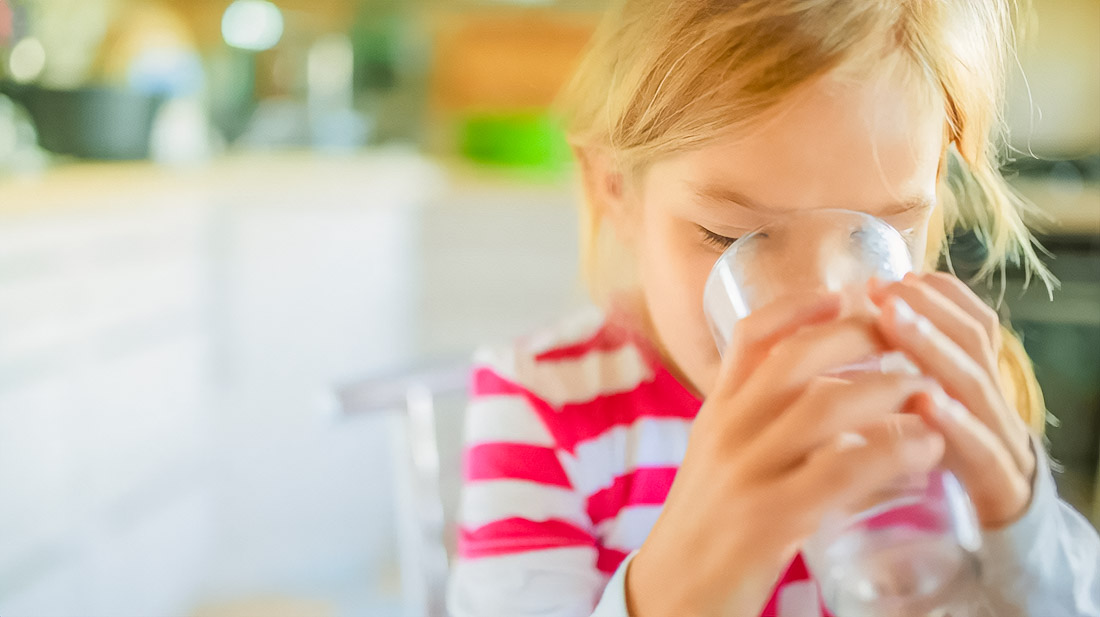
Installing a home water filtration system helps minimize the risk. Contemporary purification systems are designed to eliminate a wide range of pollutants.
Ultraviolet disinfection kills over 99% of microorganisms, including viruses and bacteria, but needs regular equipment maintenance.
Reverse osmosis eliminates up to 95-99% of dissolved salts and pathogens. It is especially useful in areas with high levels of chemical pollution, where other methods produce less results.
The Role of Activated Carbon and Sedimentary Filters
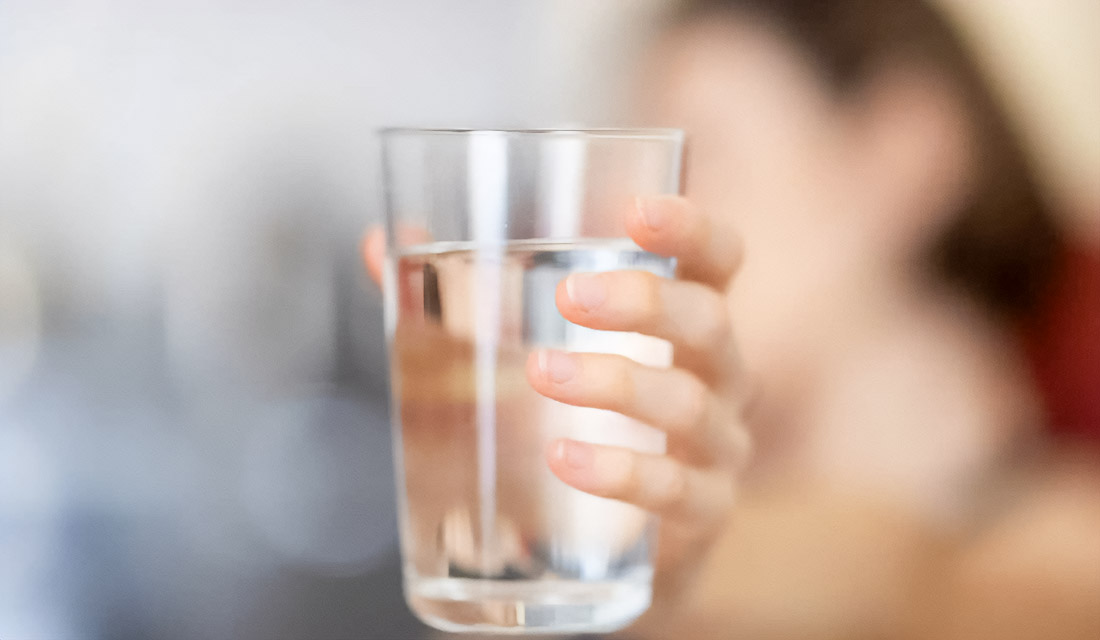
Activated carbon filters reduce the concentration of organic pollutants by up to 90%. This is important to remove compounds that affect taste, smell and can cause diseases.
Sedimentary filters trap particles from 1 to 5 microns in size. This reduces the ingress of suspended solids and microorganisms into drinking water.
Why Boiling Alone is Not Enough

Boiling water remains a common practice. But it does not provide complete protection against all pathogens and chemical compounds. Especially if the water is heavily polluted, boiling becomes only part of the solution.
The maximum effect is achieved when boiling is combined with ultraviolet treatment, reverse osmosis and sedimentary filters. This approach helps to minimize microbiological threats.
Practical Measures in Saudi Arabian Homes
In homes, the installation and regular maintenance of house water filtration system is becoming an important part of prevention. The extent of water pollution plays a key role in the spread of infections.
For families with young children and seniors, this is especially crucial. Timely monitoring of water quality and using advanced purification systems help reduce illness.
Comprehensive Solutions and Health Effects
Home filtration systems combining different cleaning methods have proven their effectiveness. They remove viruses, bacteria, and chemical pollutants. These technologies are becoming a reliable tool for protecting health in conditions of increased epidemiological risks.
Increasing people’s awareness of the sanitary rules of water storage and the introduction of modern filters make it possible to make water safe. This directly affects the reduction of morbidity and strengthens the health of families.